
Academic writing · Grammar
Moreover, Furthermore, In Addition: Linking Words Exercises
Words like moreover and in addition help you build an argument, but they’re easy to punctuate wrongly. Practice choosing and punctuating them correctly. Every answer comes with an explanation.
- In addition: When in addition links independent clauses without and, use a period or semicolon before it and a comma after it: The trial ended; in addition, the data … But use in addition to + a noun, a clause beginning with a wh- word, or an -ing verb: In addition to saving time, …
- Moreover, furthermore: These are formal ways of saying in addition, with the same punctuation. Within a clause, these words are usually set off by commas: It is, moreover, easy to use.
- Not only … but also: Use the same pattern after not only and after but also. When not only introduces a whole clause, put be or the auxiliary verb before the subject: Not only does it …, but it also …
- As well, as well as: As well usually goes at the end of a clause: … and it cuts costs as well. As well as means in addition to, and a verb after it is often in the -ing form. Neither one can join two independent clauses.
- Other ways to add: Additionally, what’s more, beyond that, and on top of that are punctuated like moreover. Coupled with, alongside, and along with work like in addition to.
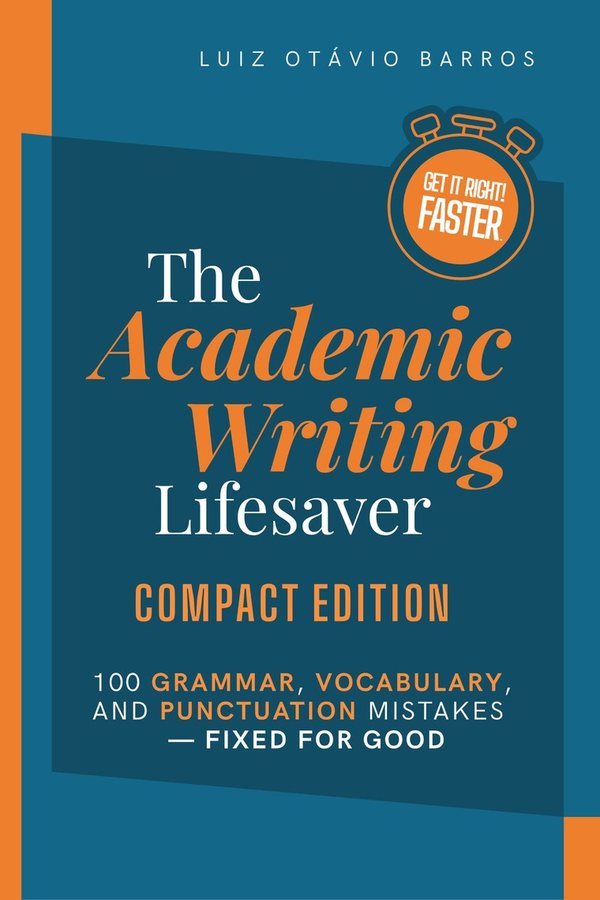
These points are covered in full in Lessons 11A–11E of The Academic Writing Lifesaver — Compact Edition.
Choose the correct word or phrase.
Choose the option that best completes each sentence.
1? reducing costs, the new scheduling system has shortened patient waiting times.
Answer: In addition to. In addition to + an -ing verb: In addition to reducing costs, …
The other option
In additionIn addition links two sentences. Before a noun or an -ing verb, you need to.
2The clinic extended its opening hours? it hired two more nurses.
Answer: …hours; in addition, it… These are two full sentences, so use a semicolon before in addition and a comma after it. A period also works.
The other options
…hours, in addition, it…A comma can’t join two sentences, even with in addition. This is a comma splice.
…hours in addition to it…In addition to needs a noun or an -ing verb after it, not a new sentence.
3The proposed dam would displace thousands of residents? it would flood several archaeological sites.
Answer: …residents; moreover, it… Semicolon + moreover + comma joins the two sentences. A period works too: … residents. Moreover, it …
The other option
…residents, moreover, it…A comma can’t join two sentences, even with moreover. This is a comma splice.
4The method is reliable. It is? inexpensive to run.
Answer: …is, furthermore, inexpensive… A pair of commas sets off furthermore here: It is, furthermore, inexpensive to run.
The other option
…is; furthermore, inexpensive…A semicolon separates two full sentences, and inexpensive to run isn’t a sentence.
5The results were not only consistent but also ?.
Answer: reproducible. Both descriptions are adjectives: the results were consistent and reproducible.
The other option
reproduciblyAfter were, you need an adjective, just like consistent. Use reproducible.
6Not only ? symptoms, but it also shortens recovery time.
Answer: does the drug reduce. Auxiliary (does) + subject (the drug) + main verb (reduce).
The other option
the drug reducesHere, not only introduces a whole clause, so put the auxiliary verb before the subject: Not only does the drug reduce …
7The report analyzes current spending and makes recommendations ?.
Answer: as well. As well means too. It usually goes at the end of a sentence, without a comma.
The other option
as well asAs well as needs something after it, as in recommendations as well as forecasts. At the end of a sentence, use as well.
8As well as ? undergraduate courses, she supervises four doctoral students.
Answer: teaching. As well as + an -ing verb, just like in addition to.
The other options
teachesIn this opening phrase, use the -ing form: As well as teaching undergraduate courses, …
she teachesAs well as can’t introduce a full clause with its own subject. Use As well as teaching …
9Many respondents found the form confusing? some could not open it at all.
Answer: …confusing. What’s more, some… What’s more is punctuated like moreover: a period or semicolon before it and a comma after it.
The other option
…confusing, what’s more, some…A comma can’t join two full sentences. This is a comma splice.
10? rising interest rates, high unemployment has slowed the housing market.
Answer: Alongside. Alongside works like in addition to, so a noun phrase follows it: Alongside rising interest rates, …
The other options
AdditionallyAdditionally starts a new sentence or clause. It can’t go before a noun phrase like rising interest rates.
What’s moreWhat’s more links two sentences, like moreover. Before a noun phrase, use alongside, along with, or coupled with.
Mistake or correct?
Decide whether each sentence is correct. Six have a mistake and four are correct.
1The plan is affordable, and moreover it can be implemented quickly.
With and, the commas around moreover are optional. … affordable, and, moreover, it can … is also correct.
2Researchers interviewed 40 teachers, in addition, they observed 25 lessons.
A comma + in addition can’t join two full sentences. Use a semicolon or a period: … 40 teachers; in addition, they observed … or … 40 teachers. In addition, they observed …
3The museum displays ancient coins, as well it holds a large collection of maps.
As well can’t replace and between two independent clauses. Use and, and move as well to the end: The museum displays ancient coins, and it holds a large collection of maps as well.
4The new framework not only explains past trends but also predicts future ones.
Both parts follow the same pattern (explains / predicts), and the second idea adds to the first. No comma is needed, since but also doesn’t start a new clause.
5Additionally to the main survey, we ran two focus groups.
Additionally can’t be followed by to + a noun. Use In addition to or Along with: In addition to the main survey, we ran two focus groups.
6In addition to what caused the collapse, the inquiry examined who had approved the design.
In addition to can be followed by a clause beginning with a wh- word: in addition to what caused the collapse.
7Not only the new curriculum improved test scores, but it also raised attendance.
When not only introduces a whole clause, put be or the auxiliary verb before the subject: Not only did the new curriculum improve test scores, but it also raised attendance.
8The second approach; furthermore, requires far less training data.
A semicolon can’t separate a subject from its verb. Within a clause, use a pair of commas: The second approach, furthermore, requires far less training data.
9The wording of the questions, as well as their order, affects the responses.
The main subject is singular wording, so use affects. The phrase as well as their order does not change the agreement.
10Demand for electric cars has grown rapidly, on top of that, battery prices have fallen.
On top of that is punctuated like moreover, so a comma alone can’t join the two sentences: … rapidly. On top of that, battery prices have fallen.
Go deeper: Lessons 11A–11E
Ways of adding information are covered in full in Lessons 11A–11E of The Academic Writing Lifesaver — Compact Edition, with more examples, watch-out notes, and self-check exercises.